Table Of Content
“This report provides negotiators with the strongest scientific evidence to date on the need to stop and reverse the expansion of plastic production,” he said. But even if production remains steady, by 2050 it would account for 15 to 19% of the remaining global carbon budget to keep global average temperatures at 1.5C, the report found. Those numbers are expected to increase dramatically, the report says, because the plastic industry is on an exponential growth trajectory, with production expected to double or even triple by 2050. The researchers, Nihan Karali, Nina Khanna, and Nihar Shah, focused on nine types of plastic made from fossil fuels that together represent about 80% of global production. They include low-density and high-density polyethylene, polypropylene, polyethylene terephthalate, and polyvinyl chloride.
We’ve Got You Covered
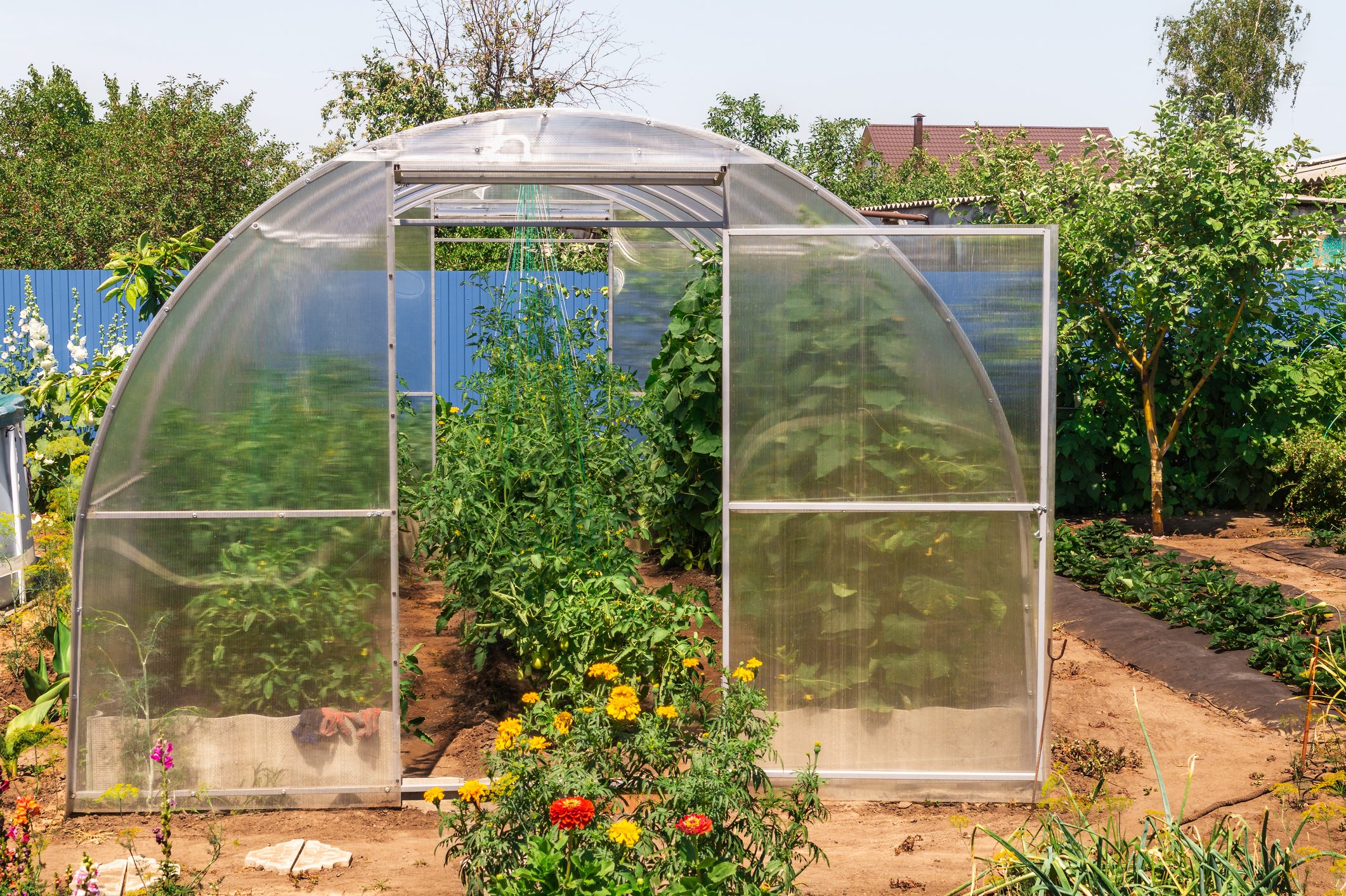
However, many greenhouse plastics allow some light transmission to occur so that plants can have enough sunlight to photosynthesize but not enough to cause any overheating or burning. Our top choices include greenhouse cover options made from polyethylene and polycarbonate that are 6 to 8 mils thick. To suit any greenhouse structure, these plastics are available in various sizes and opacities, providing diffused light and protecting plants against inclement weather. Regarding installation, many of these plastics include metal grommets for securing or can be cut with a given power tool. Choosing the best greenhouse plastic covering involves considering the local climate and determining the type and size of your own greenhouse and what is best for the plants growing inside it. In this guide, we list some of the top-rated greenhouse plastics on the market today.
Startup turns greenhouse gas into plastic alternative for Nike, H&M - Fortune
Startup turns greenhouse gas into plastic alternative for Nike, H&M.
Posted: Tue, 10 Jan 2023 08:00:00 GMT [source]
The Best Compact Greenhouses of 2023
This multipurpose cloth features 100 percent UV-stabilized polyethylene and can be installed over a standard hoop greenhouse frame. If you’re looking for something that’s rigid or semi-rigid, and that isn’t glass or acrylic, you will want polyvinyl carbonate. Most commonly, polycarbonate panels are two polyethylene plastic sheets with a corrugated polycarbonate layer between them.
Greenhouse Film Specifications
This allows the light to penetrate deeper into your plants, which improves your yields. This greenhouse plastic covering is made of high-quality flexible polyethylene, ensuring that it can withstand extreme weather conditions. It is 6 mil thick and provides excellent UV protection, which is essential to protect your plants from harmful rays.
Finally, this greenhouse plastic can be installed on any metal or wood greenhouse structure. It features reinforced grommets along the edges for staking or tying down the cover and serves as an essential wind and sun break when used on a greenhouse. The shade provided by this polyethylene film makes it suitable for regions that experience a lot of hot sun. It’s available in a lightweight yet durable 20-foot-wide by 10-foot-long piece.
Overspray from crop treatments can also cause plastic to deteriorate and become brittle. For example sulfur spray to prevent mildew can cause plastic to yellow prematurely. If any spray does get on your greenhouse covering, wash it immediately with mild soap and lots of water. It’s our most affordable option, while still meeting rigorous quality standards. This plastic is 6 millimeters thick and our 5-layer technology makes it extra strong and long-lasting. Greenhouse plastic is a crucial component of any greenhouse or high tunnel setup, providing an optimal growing environment for your plants.
Greenhouses for Sale in California

Since plastic material does not decompose, it accumulates in landfills and in the environment. Prepackaged, this greenhouse plastic is available in several sizes, including 24 feet long by 50 feet wide. On its website, Farm Plastic Supply offers customized lengths for those in need of a specific size.
What plastic do you use for a greenhouse?
If you live in an area like California where a greenhouse is mostly for pest control and fine-tuning the climate, you really don’t need much more than this visqueen plastic. This utility-grade polyethylene is 6 mil, which gives it a little more durability, but it’s not made to be in the sun for months and months on end. The Biden administration set a goal of eliminating climate pollution from the power sector by 2035. Scientists say that's what's needed to limit warming to 1.5 Celsius (2.7 degrees Fahrenheit) over pre-industrial levels and avoid the worst effects of climate change. Global average temperatures have already risen about 1.2 degrees Celsius.
GRELWT Greenhouse Plastic Sheeting 8×25 ft, 6 mil Thickness Replacement Cover, UV Resistant 08×25′
Because polycarbonate is rigid, it’s used for end walls and to create rooms in a greenhouse. “Polycarbonate lasts 10 years or so versus two to seven years for polyethylene,” says DeVore. Plastic’s ability to let in light while protecting plants from the elements makes it an optimal material for a greenhouse. Still, different types of plastic have their own benefits and considerations. It comes with reinforced aluminum grommets spaced every 18 inches along the edges to stake the tarp to the ground for additional wind resistance.
The sheeting features slight opaqueness but does not contain UV blockers, making it best suited for covering a greenhouse that’s protected from the hot afternoon sun. Whether you're building a brand-new greenhouse or need extra protection to plants during a cold season, you'll want greenhouse plastic film to provide the plants the warmth they need to grow. You'll find the exact polyethylene greenhouse film thickness you need here at Greenhouse Megastore.
When shopping for greenhouse plastic, there are several factors to consider. Farm Plastic Supply specializes in all Agricultural and Industrial Plastics. We have a wide variety of high-quality and durable Polyethylene Plastic products as well as strong and durable Landscape and Erosion Fabrics and Netting. He cover all gardening needs with our wide variety of Greenhouse Film, Silage Tarps and Covers, Landscape Fabric, Erosion Control, Shade Cloth, Hydroponics, Vinyl Sheeting, and Greenhouse Supplies.
The production of plastic, which is made from fossil fuels, is greenhouse gas-intensive. Coal, oil or gas must first be mined or extracted, and then those materials must be refined and processed in another emissions-heavy procedure. In some cases, other chemical compounds such as formaldehyde must also be produced, creating more pollution.
If these power plant rules survive an expected legal challenge, they'll create extra costs for utilities and plant owners to install pollution controls. But the EPA finds those costs would largely be offset by government financial incentives and because technology tends to get cheaper over time. If you think humanity’s addiction to fossil fuels is hard to shake, it’s nothing compared to the strength of our plastics habit. Earth Day organizers are calling for a 60% reduction in plastic production globally by the end of 2040. Environmental Protection Agency is wrapping up Earth Week by highlighting the work the agency is doing to prevent plastic pollution.
One of the most critical components of any greenhouse is the plastic covering that protects your plants from the elements. The right greenhouse plastic can make all the difference, providing the ideal balance of light, temperature, and humidity to promote healthy growth. But even though this type of plastic blocks the harmful UV rays, it promises optimum light transmission at over 90%.




No comments:
Post a Comment